Choosing a last name is never just about words. It’s about identity, heritage, sound, memory, and meaning.
Whether you’re researching ancestry, naming a fictional character, rebranding a business, choosing a pen name, or simply fascinated by French culture, French last names carry a quiet power that blends history, elegance, and personality in a way few naming systems can match.
French surnames are melodic yet strong, old yet adaptable, familiar yet endlessly distinctive. They feel equally at home on a historical document, a modern startup, or a novel’s title page.
That versatility is why so many people search for them and why choosing the right one can feel surprisingly emotional.
This guide is designed to help you move from curiosity to clarity. Not just lists, but explanations. Not just meanings, but why certain names feel the way they do. And not just trends, but timeless logic you can use to choose a name that actually fits.
Intent Segmentation: Find the Right French Last Name for Your Situation
Before diving into names, it helps to understand why you’re looking. Different intentions call for different styles of surnames. Here’s a quick guide to orient yourself:
You might be here if you are:
- Researching family history or ancestry
Looking for authentic French surnames, their origins, regions, and meanings. - Naming a fictional character
Searching for names that match a personality, era, or emotional tone. - Choosing a pen name or stage name
Wanting something elegant, memorable, and culturally rich. - Rebranding a business or brand
Needing a surname-style name that feels premium, trustworthy, or artistic. - Exploring trends and aesthetics
Curious about modern, stylish, or rare French family names. - Seeking uniqueness
Wanting something uncommon without feeling artificial or invented.
Keep your intention in mind as you read—certain sections will resonate more strongly depending on your goal.
Why French Last Names Feel So Distinctive
French surnames stand out because they balance sound, meaning, and structure in a uniquely human way.
From a linguistic perspective, French names often:
- Flow smoothly due to vowel-heavy endings
- Avoid harsh consonant clusters
- Carry subtle rhythm and cadence
Psychologically, they tend to evoke:
- Sophistication and refinement
- Romance, art, and culture
- Intelligence, tradition, and credibility
Historically, French last names emerged from real-life descriptors—occupations, locations, physical traits, or family lineage. This grounding in lived experience gives them authenticity. They don’t feel random. They feel earned.
That’s why even unfamiliar French surnames often sound believable and emotionally resonant.
Understanding the Origins of French Surnames
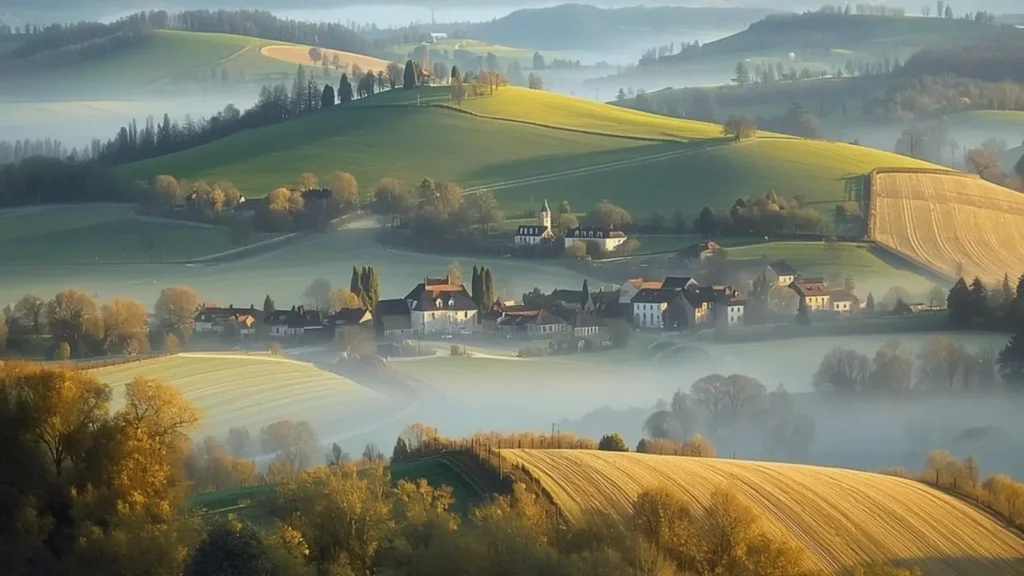
To truly appreciate French last names, it helps to understand where they come from. Most fall into a few foundational categories.
1. Occupational Origins
These names came from professions or roles within the community.
Examples include:
- Boulanger – baker
- Charpentier – carpenter
- Fournier – oven keeper or baker
- Lefebvre – blacksmith
These names feel grounded, practical, and historically rich.
2. Geographical or Locational Origins
Many surnames identify where a family came from.
Examples:
- Dupont – from the bridge
- Deschamps – from the fields
- Delacroix – of the cross
- Dubois – from the woods
These names often feel poetic and nature-adjacent, even when rooted in simple geography.
3. Descriptive or Nickname-Based Origins
Some surnames began as descriptions of a person’s traits.
Examples:
- Petit – small
- Legrand – tall or great
- Leblanc – fair-haired or light-skinned
- Roux – red-haired
These names feel personal and character-driven.
4. Patronymic and Lineage-Based Origins
These indicate descent or family connection.
Examples:
- Martin – derived from the given name Martin
- Bernard – meaning strong or brave bear
- Thomas – twin
These names are often timeless and widely recognized.
What Makes a “Good” French Last Name?
A good surname isn’t just attractive—it works psychologically and practically.
Key qualities to look for:
- Phonetic balance – Easy to say, pleasant to hear
- Memorability – Distinct without being confusing
- Cultural authenticity – Feels naturally French
- Emotional alignment – Matches the tone or personality you want
- Adaptability – Works across contexts (written, spoken, digital)
The best French last names feel inevitable—as if they were always meant to exist.
Popular French Last Names (Timeless and Recognizable)
These surnames are widely used in France and across Francophone regions. They’re familiar, credible, and classic.
Examples include:
- Martin
- Bernard
- Dubois
- Thomas
- Robert
- Richard
- Petit
- Moreau
- Laurent
- Simon
Why they work:
These names feel trustworthy and universal. They’re ideal for realism, historical accuracy, or understated elegance.
Unique and Rare French Last Names
If you’re seeking distinction without sounding invented, rare French surnames are a goldmine.
Examples:
- Beaumont – beautiful hill
- Fontaine – fountain or spring
- Montclair – clear mountain
- Valcour – valley court
- Delorme – of the elm tree
- Aveline – hazelnut tree
Best for:
Authors, artists, entrepreneurs, or anyone wanting subtle originality.
Elegant and Aesthetic French Last Names
These names lean heavily into sound, softness, and visual appeal.
Examples:
- Bellevigne – beautiful vineyard
- Lumière – light
- Fleurier – flower maker
- Roselle – rose-like
- Clairmont – clear mountain
Why they resonate:
They feel cinematic and romantic, perfect for creative fields or personal branding.
Strong and Bold French Surnames
Not all French last names are soft. Many convey strength, authority, and power.
Examples:
- Vaillant – brave
- Fortin – stronghold
- Hardy – resilient
- Guerrier – warrior
- Chevalier – knight
Ideal for:
Leadership brands, dramatic characters, or assertive identities.
Nature-Inspired French Last Names
Nature plays a huge role in French naming traditions.
Examples include:
- Rivière – river
- Boisvert – green woods
- Montagne – mountain
- Lavigne – the vine
- Desrosiers – of the rosebush
These names feel organic, timeless, and emotionally grounding.
Creative and Artistic French Last Names
Some surnames feel inherently expressive.
Examples:
- Poiret – pear tree (also linked to fashion history)
- Ardent – passionate
- Chantre – singer
- Soleil – sun
Perfect for creatives, performers, and storytellers.
French Last Names by Personality Type
Romantic & Soft
- Bellecour
- Amélie
- Rosier
- Clairval
Intellectual & Refined
- Descartes
- Montaigne
- Lefèvre
- Aubert
Mysterious & Dark
- Noireau
- Delombre
- Ravine
- Sombreval
Matching personality to name increases emotional coherence—and memorability.
Trending French Last Name Styles (Current Year)
Modern trends show a clear shift toward:
- Short, clean surnames (Aubert, Morel, Vidal)
- Nature-forward names (Rivière, Luneau, Sylvain)
- Old-world revivals (Chevalier, Beaumont, Delacroix)
- Gender-neutral, brand-friendly surnames
People want names that feel heritage-rich but digitally modern.
How to Choose the Right French Last Name (Practical Guide)
- Say it out loud
Flow matters more than spelling. - Test it in context
Introduce yourself. Write it. Imagine it on a logo. - Check emotional alignment
Does it feel like you? - Research lightly
Ensure the meaning aligns with your intention. - Trust resonance
The right name usually “clicks.”
Names aren’t chosen—they’re recognized.
Advanced FAQ: French Last Names Explained
What are the most common French last names?
Martin, Bernard, Dubois, Thomas, and Petit are among the most widespread.
Are French last names gendered?
No. French surnames are typically gender-neutral.
Can non-French people use French last names?
Yes. Many people adopt them for creative, professional, or personal reasons.
Do French surnames have meanings?
Most do—often tied to geography, professions, or traits.
Are rare French last names still authentic?
Absolutely. Rarity often reflects regional or historical specificity.
Final Thoughts: A Name Is More Than a Label
A last name carries weight. It holds stories, emotions, and expectations. French last names are especially powerful because they blend beauty with history sound with soul.
Whether you choose one for heritage, creativity, branding, or personal reinvention, the right name doesn’t just identify you. It introduces you.
Take your time. Say it slowly. Let it settle.
When a name feels right, it doesn’t shout it resonates.

Emily Carter, from Austin, Texas, has a warm and friendly writing style. She loves creating cute, family-friendly puns and fun captions that spread positivity and smiles across all ages.