
Choosing a name can feel surprisingly personal even when it’s not for a person, but for something as small and specific as your teeth.
Whether you’re a student learning dental anatomy, a content creator, a parent explaining oral care to children, or a professional in dentistry, understanding teeth names is more than memorization it’s about context, purpose, and connection.
In this guide, we’ll explore everything you need to know about teeth names, why they matter, and how to navigate the diverse naming landscape with confidence.
Understanding User Intent: Which Teeth Names Are You Looking For?
Before diving into lists and categories, it’s important to clarify your intent. Users searching for teeth names generally fall into one of these categories:
- Educational/Anatomical Names – Seeking official terms for study or professional use (e.g., molars, canines, incisors).
- Nickname or Fun Names – Looking for playful, memorable names for teeth (especially for children or creative content).
- Rebranding or Marketing – Businesses, dental products, or social campaigns that want catchy names with personality.
- Trend-Inspired Names – Searching for stylish or culturally relevant tooth-related names in 2026.
- Unique or Thematic Names – Names inspired by nature, food, fantasy, or artistic themes.
Understanding your category will help you focus on names that resonate with your purpose rather than getting lost in irrelevant options.
The Psychology of a Good Teeth Name
What makes a good teeth name? Beyond memorization, the right name should:
- Be memorable – Names that stick are easier to recall for students, parents, or audiences.
- Be descriptive – Names that describe shape, function, or location help with comprehension (e.g., “incisors” literally means “to cut”).
- Reflect personality or tone – Fun and cute names appeal to children, while professional names suit academic or dental contexts.
- Offer cultural or creative resonance – Names inspired by nature, food, or culture add depth and relatability.
Behavioral research shows that learners retain information better when the material is emotionally engaging or tied to personal experience. A playful nickname for a tooth or a memorable descriptive term can make learning stick.
Anatomical Teeth Names: The Classic Foundation

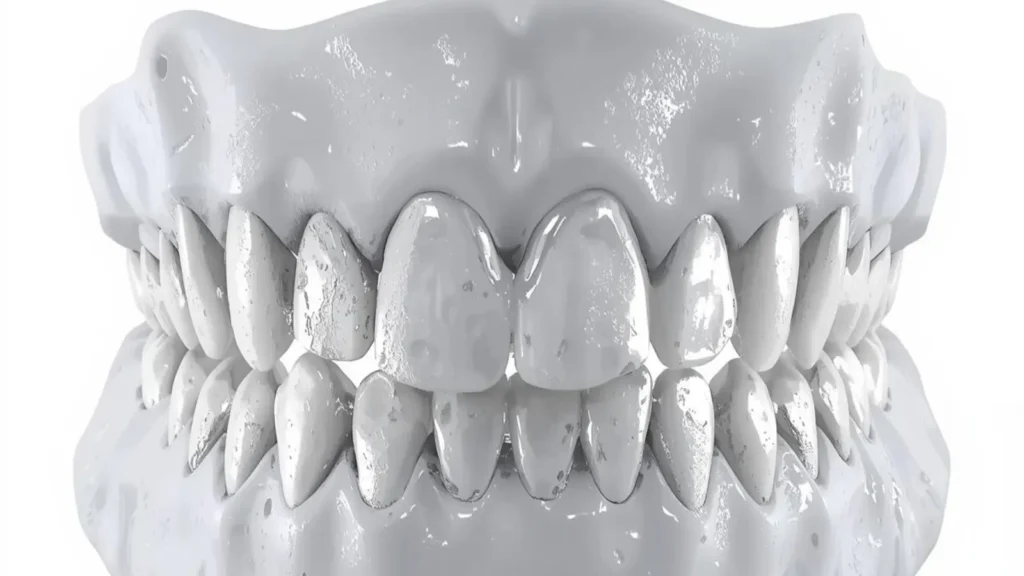
For formal and educational contexts, teeth are named based on type, position, and function.
1. Incisors
- Location: Front of the mouth (both upper and lower jaw).
- Function: Cutting and slicing food.
- Tips for memorization: There are central incisors and lateral incisors, distinguished by size and placement.
2. Canines (Cuspids)
- Location: Next to incisors.
- Function: Tearing and holding food.
- Special characteristics: Pointed shape; strongest teeth relative to size.
3. Premolars (Bicuspids)
- Location: Between canines and molars.
- Function: Crushing and grinding.
- Tip: Adults have two premolars per quadrant; children typically don’t have premolars.
4. Molars
- Location: Back of the mouth.
- Function: Heavy-duty grinding.
- Special types: First, second, and third molars (third molars are commonly called wisdom teeth).
5. Wisdom Teeth
- Location: Very back of the jaw.
- Function: Historically helped ancestors chew coarse foods.
- Interesting fact: Many adults need removal due to modern jaw size constraints.
Fun and Playful Teeth Names
Sometimes teeth names don’t have to be academic—they can be imaginative, fun, and perfect for engaging children or creating memorable content. Examples include:
- Chompy – Great for front teeth or baby teeth.
- Nibblers – A playful name for molars.
- Twinkle – Suits shiny, healthy teeth or a child’s first tooth.
- Fangy – Fun for canines, especially in Halloween or fantasy contexts.
- Grinder – A humorous nickname for premolars or molars.
These names are ideal for parents, educators, or content creators looking to make dental care approachable and relatable.
Unique and Aesthetic Teeth Names
For those seeking unique or stylish options, consider names inspired by characteristics, textures, or metaphorical associations. Examples:
- Pearl – Reflects the lustrous, smooth quality of healthy teeth.
- Ivory – Classic and elegant, evokes sophistication.
- Opal – Suggests subtle color variation and beauty.
- Nova – For a standout tooth, particularly in marketing or creative storytelling.
- Quartz – For a solid, strong, yet aesthetically pleasing feel.
These names work well for branding dental products, storytelling, or content where individuality matters.
Nature- and Food-Inspired Teeth Names
Nature and food metaphors make teeth names both memorable and relatable.
- Almond – Perfect for canines or pointed teeth.
- Marble – Suggests smooth texture and strength.
- Sugarcube – Cute for baby teeth.
- Cocoa – For darker or chocolate-themed educational content.
- Leaf – For slender, delicate teeth.
These associations help create strong visual cues, which enhance recall and engagement.
Trendy Teeth Names for 2026
Keeping names fresh is important in marketing, education, and social media content. Current trends emphasize:
- Minimalist names – Short, crisp, and easy to pronounce. Examples: “Milo” (first tooth), “Zoe” (for shiny incisors).
- Fantasy-inspired names – “Draco” for fangs, “Luna” for pearly molars.
- Emoji-inspired naming – Names tied to emojis for fun digital content. Example: “✨Pearl✨” for first teeth.
- Pop-culture references – Teeth nicknames inspired by cartoons or movies can make dental care engaging for kids.
Trend-aware names signal cultural relevance and improve engagement in content or educational campaigns.
Naming by Personality or Use Case
Not all teeth names need to be uniform; think about personality:
- Bold or strong – “Crusher,” “Titan,” “Spike.” Works for teaching molars or creating a playful dental mascot.
- Cute or gentle – “Bunny,” “Pip,” “Giggles.” Perfect for baby teeth or child-focused content.
- Elegant or refined – “Ivory,” “Opal,” “Pearl.” Ideal for adult education, dental branding, or aesthetic-focused campaigns.
Matching name style with personality ensures better engagement and easier learning.
Practical Tips for Choosing or Testing Teeth Names
- Define your purpose first – Educational, creative, or branding.
- Consider audience age and context – Kids, adults, or professional use.
- Check memorability – Say the name out loud; is it easy to recall?
- Test uniqueness – Especially important for product names or social campaigns.
- Use semantic associations – Connect the name to shape, function, or appearance for better retention.
A quick classroom exercise: Ask children to name their teeth using metaphors like animals, food, or colors—it helps them internalize anatomy naturally.
Advanced FAQ on Teeth Names (Optimized for Voice Search & AEO)
Q1: What are the different types of teeth called?
A: Human teeth are classified as incisors, canines (cuspids), premolars (bicuspids), molars, and third molars (wisdom teeth). Each type has a unique function in cutting, tearing, or grinding food.
Q2: How many teeth do adults usually have?
A: Most adults have 32 teeth, including four wisdom teeth. Children usually have 20 primary (baby) teeth.
Q3: Why are wisdom teeth called “wisdom teeth”?
A: They appear later in life, typically between ages 17–25, historically seen as a sign of maturity and “wisdom.”
Q4: Can teeth have nicknames for educational purposes?
A: Absolutely. Fun nicknames like “Chompy” for incisors or “Grinder” for molars can help children learn anatomy more easily.
Q5: How can I choose the best teeth name for a dental brand or content?
A: Focus on memorability, relevance, audience, and cultural resonance. Combine descriptive, metaphorical, and trendy elements to make names engaging and brand-friendly.
Q6: Are there teeth names inspired by nature or food?
A: Yes, examples include “Pearl,” “Cocoa,” “Marble,” or “Almond,” which make names relatable and easy to visualize.
Conclusion: The Power of the Right Teeth Name
Choosing the right teeth name is about connection, comprehension, and creativity.
Whether you’re teaching a child, creating content, or naming dental products, the perfect name makes learning memorable and meaningful.
It builds identity, sparks imagination, and sometimes even brings a little joy to the everyday routine of brushing and flossing.
Take a moment, consider your audience, and choose names that resonate because every tooth has a story, and the right name helps tell it.
