In recent years, karma has become one of the most searched words online.
From TikTok videos to Instagram captions, people are curious about what karma truly means and why it keeps popping up in conversations.
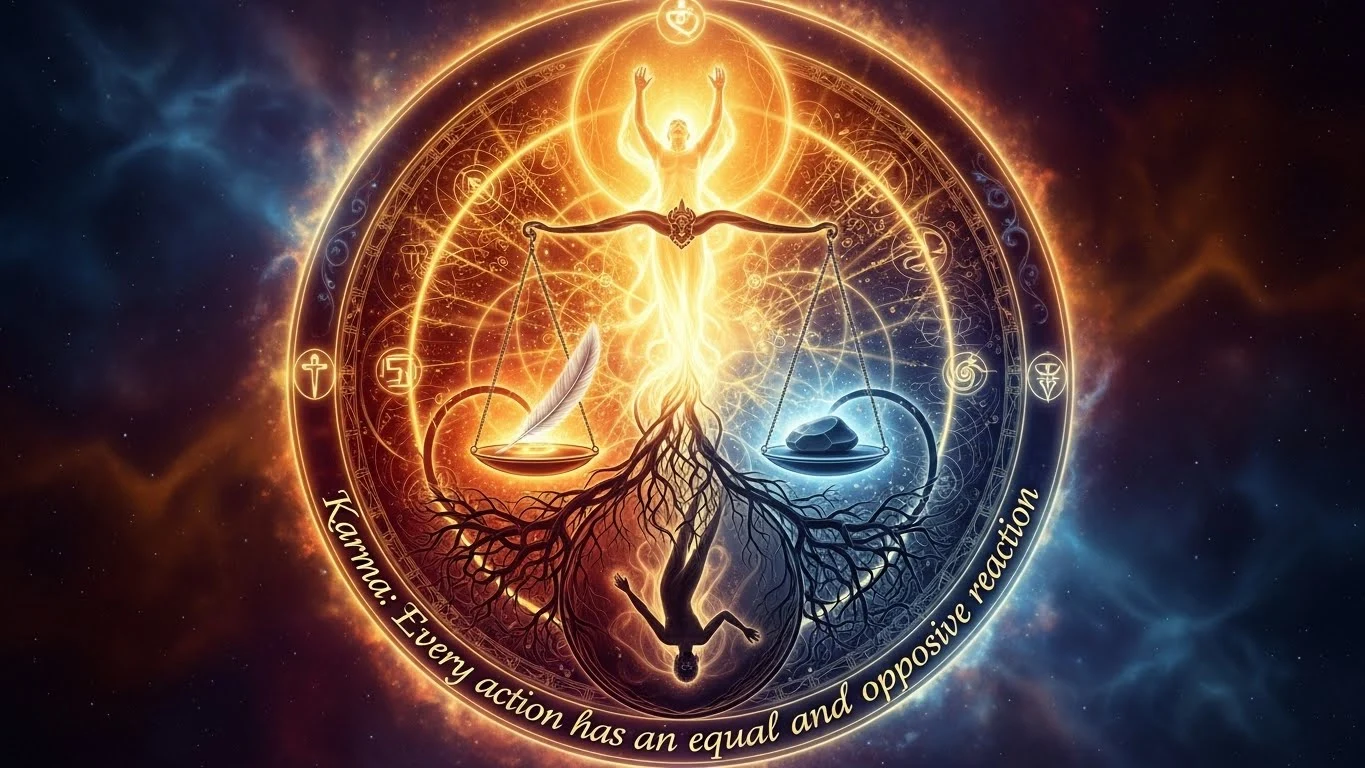
But at its core, karma refers to the idea that our actions good or bad have consequences.
Simply put, it’s the principle of cause and effect applied to our behavior and life experiences.
⚡ Quick Answer
Karma means that what you do—whether positive or negative—will eventually come back to you. Good actions lead to good outcomes, and harmful actions can bring challenges or setbacks.
📚 Meaning of Karma in Different Contexts
In Texting and Messaging
In texting, karma is often used casually to comment on someone’s situation. For example:
- “She ignored him for weeks, and now she’s the one waiting. That’s karma.”
- “He cheated on the test and got caught—karma!”
Here, karma is usually a light-hearted or humorous way to point out that actions have consequences.
In Love and Relationships
In romantic contexts, karma can describe the natural outcomes of how partners treat each other:
- “He was rude to her, and now he’s single—karma!”
- “They treated each other well, and their love is thriving—that’s good karma.”
It often conveys that fairness or balance will be restored in relationships.
In Slang and Casual Language
Casually, people use karma to describe any life situation that seems “deserved,” whether good or bad:
- “She got that promotion after helping everyone—karma!”
- “He lost his wallet after being careless—karma strikes!”
It’s become part of everyday conversation to acknowledge justice in action.
On Social Media Platforms
On platforms like TikTok, Instagram, and Snapchat, karma trends as a hashtag or caption. Users post videos showing:
- Revenge pranks
- Acts of kindness being rewarded
- Funny “instant karma” moments
It’s a way to make content relatable and engaging while highlighting life’s natural balance.
Spiritual or Symbolic Meaning
In spiritual traditions, especially Hinduism and Buddhism, karma is a deeper concept. It refers to the cosmic law of cause and effect, influencing not just this life but future lives as well. Symbolically, karma encourages ethical behavior and mindfulness in daily life.
Numerology or Cultural Meaning
Some cultures believe karma can be linked to numerology or fate. Numbers, zodiac signs, and life paths are sometimes interpreted to indicate karmic lessons or rewards, emphasizing personal growth and balance.
🧠 Examples & Usage
Real-life examples:
- Texting: “He ghosted me, and now he’s lonely. Karma 😏”
- Love: “After treating her partner with love and respect, they finally got married. True karma!”
- Social media: Posting a video where someone’s prank backfires with the caption “Instant karma!”
How context changes meaning:
- In a joke, it’s playful and humorous.
- In love, it’s reflective and cautionary.
- In spiritual discussion, it’s serious and philosophical.
❓ Common Questions About Karma
What does karma really mean?
Karma is the principle that your actions—good or bad—have consequences. It’s about fairness and balance in life.
Is karma positive or negative?
Karma can be both. Good deeds create positive karma, while harmful actions can create negative karma.
Is karma romantic?
Sometimes. In relationships, karma often refers to how actions affect love, trust, and emotional outcomes.
How should someone reply to karma?
A simple “True!” or “Well, that’s karma!” works. Context matters—sometimes it’s joking, other times reflective.
🏁 Conclusion
In simple terms, karma is life’s way of balancing actions and consequences.
Whether in messages, love, social media, or spirituality, understanding karma helps us recognize that our choices matter.
Now you can confidently say you understand what karma means and why it’s more than just a trendy word.

Michael Harris specializes in sharp, witty wordplay and funny one-liners. With a playful sense of humor, he makes readers laugh with smart, catchy puns.