The phrase “We the People” has been trending online as more people search for its meaning in everyday conversations, social media, and even casual texting.
Originally famous from the preamble of the U.S. Constitution, it’s now widely used in multiple contexts from expressing unity to casual slang.
Understanding this phrase can help you communicate more clearly and appreciate its historical and cultural significance.
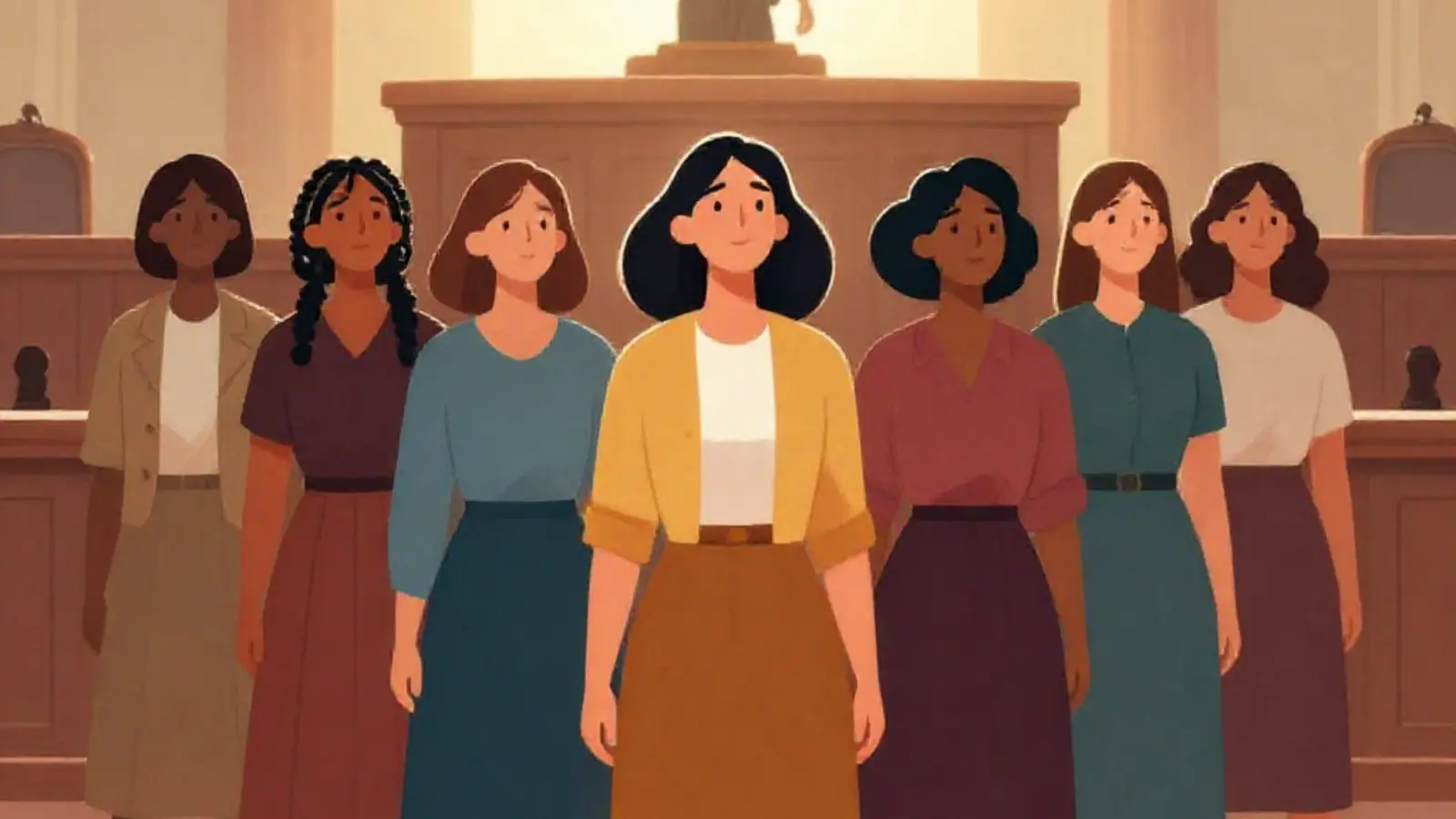
In simple terms, “We the People” means a collective group of individuals speaking, acting, or thinking together, often emphasizing unity or shared responsibility.
⚡ Quick Answer
“We the People” refers to a group of individuals united by common goals, ideas, or identity. It highlights collective power, participation, and sometimes a sense of belonging or shared responsibility.
📚 Core Content Sections
In Texting and Messaging
In texting, “We the People” can be used to show solidarity or agreement with a group chat or community. For example:
- “We the people need to plan a meetup this weekend!”
- “We the people got this project done!”
It’s often informal and playful, emphasizing teamwork or inclusion.
In Love and Relationships
While not inherently romantic, “We the People” can reflect mutual commitment or togetherness in a relationship context. For example:
- “We the people make a great team ❤️”
- “We the people always support each other”
It’s more about partnership and unity than flirtation or romance.
In Slang and Casual Language
In casual slang, the phrase is sometimes shortened or used humorously to indicate group identity or collective mood. Examples include:
- “We the people vs. Monday mornings 😩”
- “We the people living our best lives 😎”
It’s a playful way of showing shared experience or feelings.
On Social Media Platforms
On platforms like TikTok, Instagram, or Snapchat, “We the People” is often used in captions, hashtags, or trends to express solidarity, activism, or fun group participation.
Examples:
- TikTok: “We the people supporting small businesses 🛍️ #CommunityVibes”
- Instagram: “We the people making memories 🌴 #SquadGoals”
Here, it becomes both a statement of unity and a content-friendly phrase.
Spiritual or Symbolic Meaning
Spiritually, “We the People” can represent collective consciousness or shared energy. Some interpret it as:
- A symbol of unity and connectedness
- A reminder that together, individuals create greater impact
It’s often used in motivational or spiritual messages online.
Numerology or Cultural Meaning
Culturally, the phrase is deeply rooted in democratic ideals, symbolizing participation, equality, and collective responsibility.
Numerologically, some people associate it with numbers representing unity or strength in groups, though this is more symbolic than literal.
🧠 Examples & Usage
Here are practical examples of “We the People” in different contexts:
| Context | Example Text / Caption | Meaning Explained |
| Texting | “We the people need pizza tonight 🍕” | Fun, casual unity |
| Love / Relationship | “We the people always got each other” | Togetherness, support |
| Social Media | “We the people making memories 🏖️ #Squad” | Collective enjoyment or identity |
| Slang / Humor | “We the people vs Monday 😫” | Shared frustration or mood |
Context changes meaning: In activism, it emphasizes participation; in texting, it’s playful.
❓ Common Questions
What does “We the People” really mean?
It means a group of individuals united for a purpose, whether serious or casual.
Is “We the People” positive or negative?
Mostly positive, promoting unity, teamwork, and shared identity.
Is “We the People” romantic?
Not typically romantic, but it can signify partnership and mutual support.
How should someone reply to “We the People”?
Responses depend on context:
- Playful texting: “Heck yes, we got this!”
- Social activism: “Together we stand 💪”
- Relationship: “Always, we’re in this together ❤️”
🏁 Conclusion
“We the People” is a versatile phrase that expresses unity, collaboration, and shared responsibility.
Whether in texting, social media, or deeper cultural contexts, its meaning revolves around togetherness and collective action.
Now that you understand it, you can use it confidently in conversations, captions, and messages, knowing the power and history behind the words.
